 Klean Kut Detailing
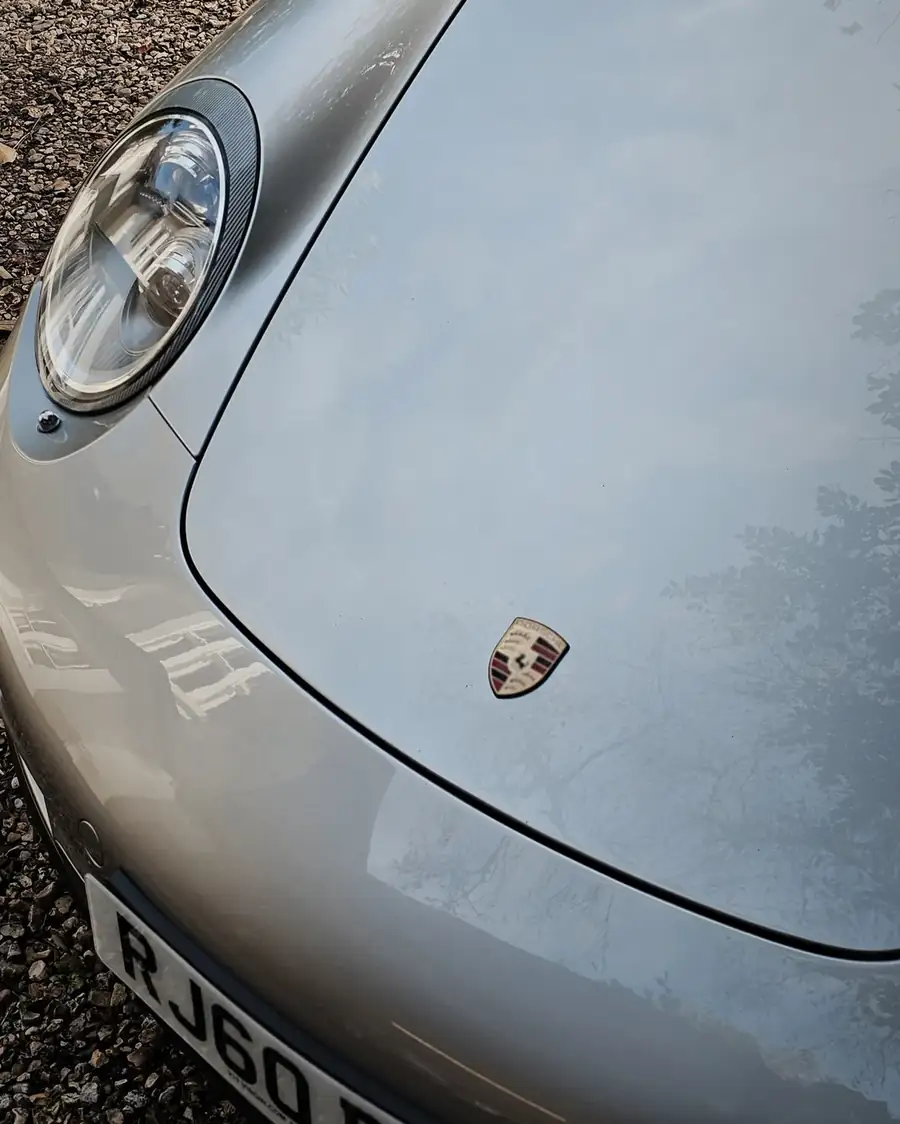
Plymouth is a lovely place to live, but it is not an easy place to keep a car looking good. Salt in the air near the Sound and the Hamoaze, damp for much of the year, and plenty of tree cover all take a toll. This is what I see on cars across Plymouth, Plymstock, Saltash and Torpoint, and what helps.
What does the damage
- Salt. Salt spray from the sea, and salt on winter roads, leaves a film on the paint, trim and wheels. Left alone, it dulls the finish and can mark soft trim.
- Bird droppings and tree sap. Both are acidic and can etch into clear coat if they sit, especially in warm weather. The longer they stay, the harder they are to remove cleanly.
- Road film and brake dust. The grey layer that a quick rinse leaves behind is bonded contamination. It makes paint feel rough and look flat.
- Brush car washes. Rotating brushes hold grit from previous cars, which is how many swirl marks start.
- Damp. Moisture gets into carpets and seats. If it does not dry out, mould can follow.
Habits that help
- Wash every one to two weeks, and rinse after stormy weather or salted roads.
- Use a pH-neutral shampoo and a clean wash mitt, and dry with a soft towel rather than letting it air dry.
- Remove bird droppings and sap quickly, with plenty of water rather than rubbing.
- Avoid automatic brush washes.
- Check for wet carpets after heavy rain, and sort leaks or blocked drains early.
Protection that lasts longer
Washing keeps the paint clean. Protection makes the paint easier to keep clean and gives it a barrier against the above.
| Option | What it does | Roughly how long | From |
|---|---|---|---|
| Wax or sealant | Adds gloss and a protective layer | A few months | Included in Revive (£250) |
| Ceramic coating | Hard, slick layer that makes salt and grime easier to rinse off | Typically 2–5 years when professionally applied | £350, or £450 with the Protect package |
If you are considering a coating, preparation matters most. Read my guide on how long ceramic coating lasts, and see which service fits in valet vs detail vs ceramic coating.
Don’t forget the details
Headlights cloud over with UV and weather, which hurts night visibility as well as looks. Soft tops collect algae in damp weather. And if your car already smells musty, it is worth dealing with early. My mould removal guide explains why it happens and what actually fixes it.
If you live near the coast, such as Torpoint or Plymstock, a regular maintenance visit can be a simple way to keep on top of it. I come to you, and the first 40 miles of the round trip are free.